
Changing the Lens: Reflections from Delhi
By Charles Tan and Xindi Kew, 28 September 2026
Across our work, we are continually learning from the partners, funders and communities we engage with about what it takes to make philanthropy more collaborative, responsive and rooted in the realities of the people and communities it seeks to support. Our recent time in Delhi offered one such opportunity to listen, reflect and challenge some of our own assumptions about how we give.
Last month, the ACF team spent time with our India-based partners while joining conversations with funders and social impact organisations at this year’s AVPN Conference. We came back with new perspectives on collaboration, long-term change and, crucially, how we approach philanthropy through the lens of the people and communities we seek to support.
Here are some of the moments and ideas we brought back with us.
Time with our partners
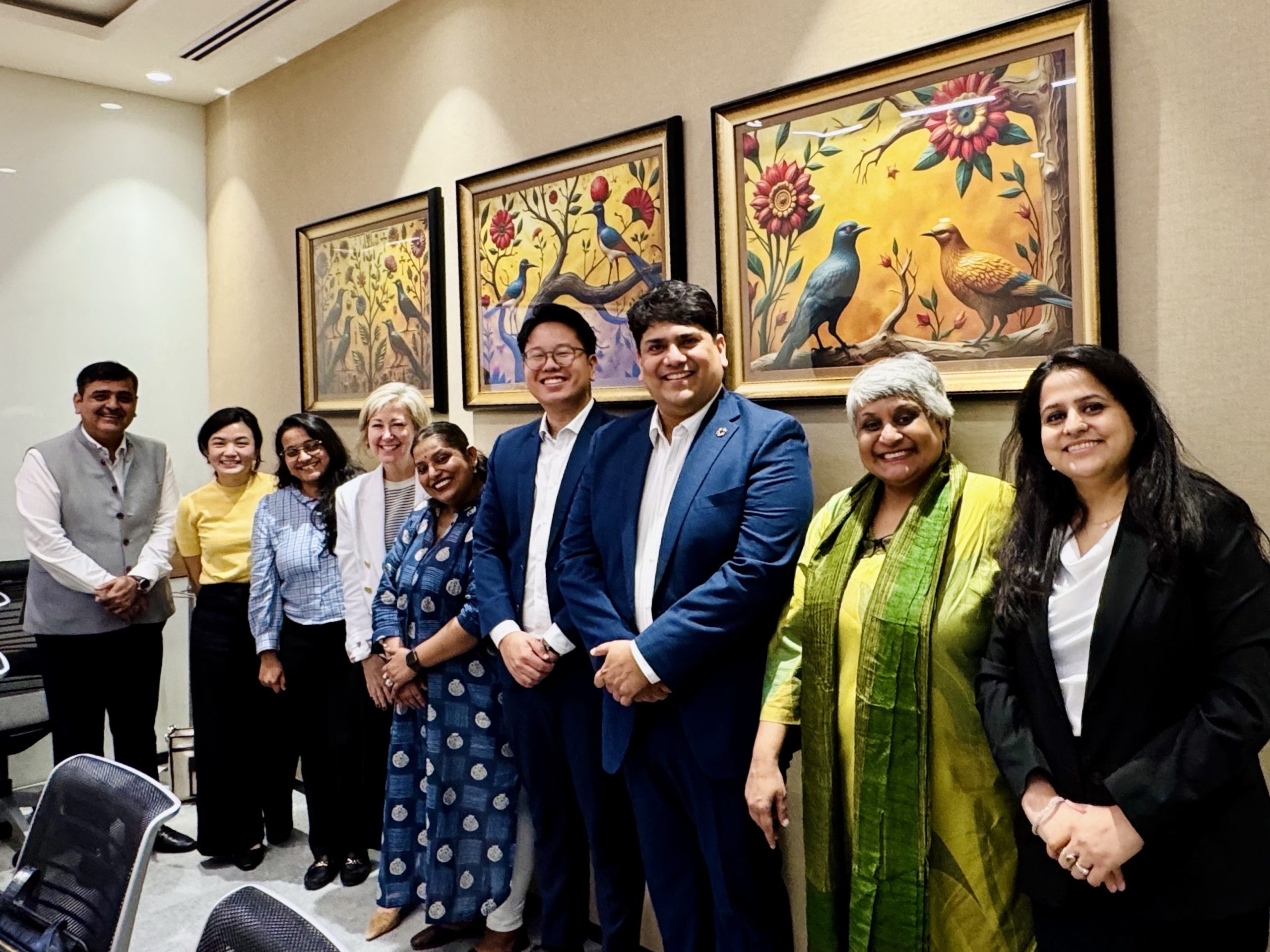
We began the week with a leaders’ breakfast with our education partners, Piramal Foundation, Transform Schools, and IPE Global. Much of the conversation centred on keeping children, especially girls, in school through the middle-to-secondary years, when many fall behind or drop out. Partners shared how they are strengthening learning in under-resourced schools and building pathways into vocational training, further study and skilled work.
What stood out was a shared commitment to co-design. Partners want to work in the same districts, exchange learning and speak to government stakeholders about their collective efforts. It showed us where ACF’s Shared Impact Philanthropy (ShIP) can add value: helping partners and funders work as one coherent effort.
The conversation reminded us that meaningful change in a system takes time. This work is a five- to ten-year marathon, not a one- to two-year sprint.
Building the ecosystem together
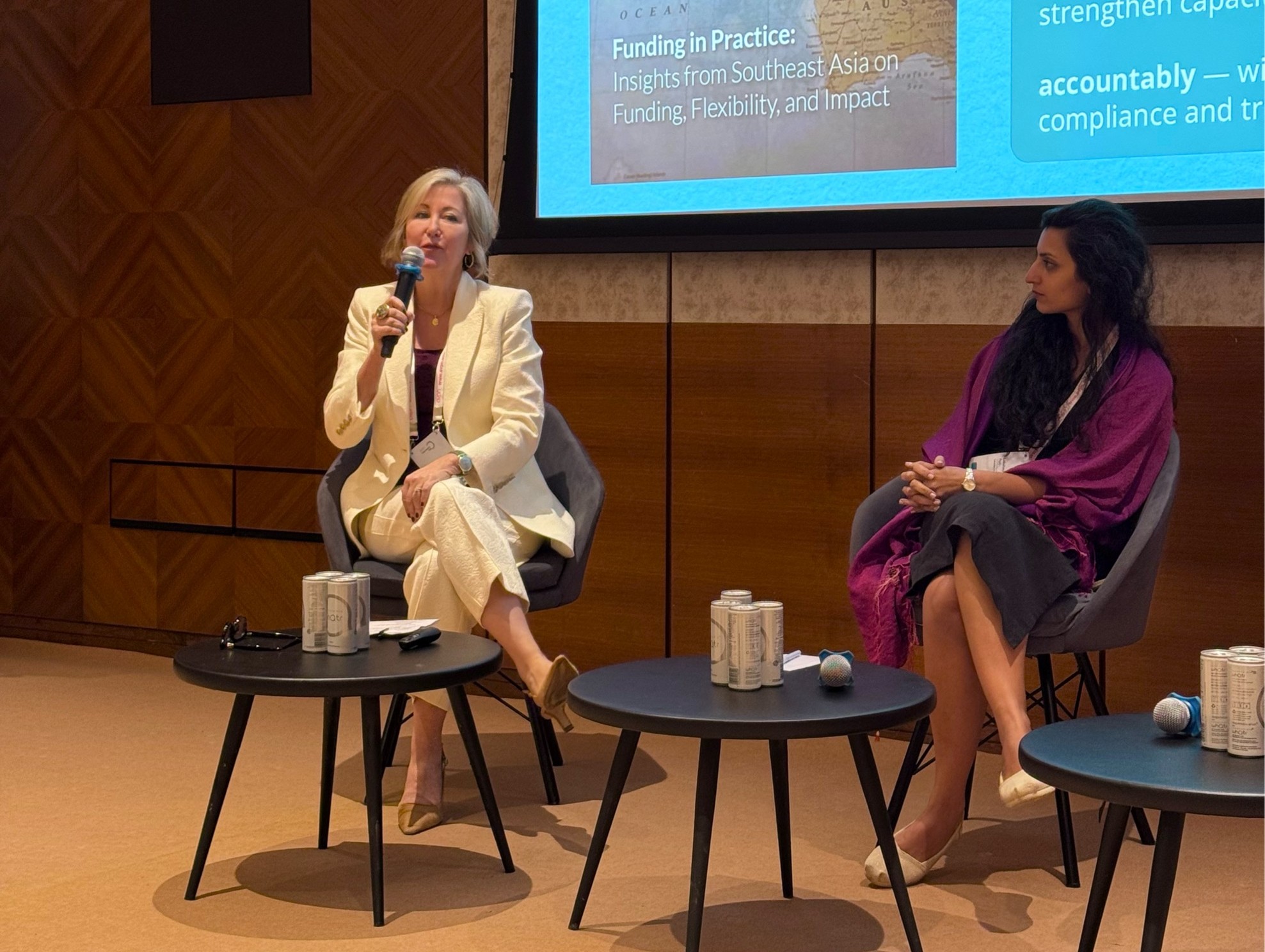
We joined a closed-door funders’ roundtable, ‘Reimagining Philanthropy for Ecosystem Resilience’, convened by CIFF India and AVPN. The discussion explored how philanthropy can look beyond individual organisations to the wider ecosystem they work in.
Funders have invested more in leadership, governance and operations within organisations, but far less in what connects them: intermediaries, collaborative infrastructure, local leadership pipelines and knowledge sharing.
It raised an important question: what would it look like to fund not only the organisations doing the work, but also the infrastructure that allows good work to connect, grow and endure?
Sue shared our work on ShIP as an example of what this can look like in practice. By pooling hosting, governance, back-office support and regranting, funders can reduce duplication while giving partners the bandwidth to focus on the work itself. Partners can put more of their energy into impact.
A lesson in dignity
Over the weekend, we had the opportunity to visit Goonj, a non-profit working to build equity and dignity between cities and villages. Goonj collects surplus materials from cities, including clothing and household goods, and transforms them into need-specific kits for communities across India. But what makes its model distinctive is what happens next: these materials are not simply given as donations. They are provided as an honorarium for community-led work, from digging wells and ponds to building bridges and restoring local ecosystems.
The model reframes the relationship between giver and recipient. Communities are recognised as active participants in creating change. Its work also spans disaster relief, humanitarian aid and community development across 23 states in India.
Speaking with the founder, Anshu Gupta, who received the Ramon Magsaysay Award in 2015 for his work with Goonj, one insight kept surfacing: this is not charity, it is dignity.
A banner in their office invites visitors to change their lens:
Charity becomes dignity.
Donation becomes contribution.
Beneficiary becomes equal stakeholder.
Helping becomes empowering.
The words we use reflect how we see people, and how we see people shapes how we give. A beneficiary receives, but an equal stakeholder has a say in the work.
We left with a question for our own practice: how can we design giving that respects the agency of the communities we serve?
Looking ahead
The trip reminded us that good philanthropy rests on relationships as much as resources. As ShIP grows its work in India, we return with a clearer understanding of what our partners need, a stronger belief in collaboration across funders, and a fresh lens on how we give.