
Investing in Children by Investing in the Adults Around Them
By Alia Alkaff, 10th October
A child’s wellbeing is shaped by more than what happens to the child. It is also shaped by the adults and relationships around them, and whether those adults have support, skills, and emotional capacity to respond appropriately to challenges.
In July 2026, Research For Impact, funded by Octava Foundation, released Early Roots: Cultivating Mental Wellbeing of Children and Young People in Singapore. One of its key findings is that family-based interventions and structured caregiver training are among “the first and most highly leveraged investments in early and middle childhood.”
That finding raised a practical question for Asia Community Foundation (ACF): what does supporting caregivers look like?
We spoke with three organisations in our network that approach the challenge from different directions. SHINE works with young people and their families; Fellowship of Men works with fathers and male caregivers; and Rainbow Centre supports caregivers of children with disabilities. Together, their experiences point to a broader lesson: supporting children’s mental wellbeing can start with strengthening the families and caregivers around them.
SHINE: Helping caregivers understand what their child is going through
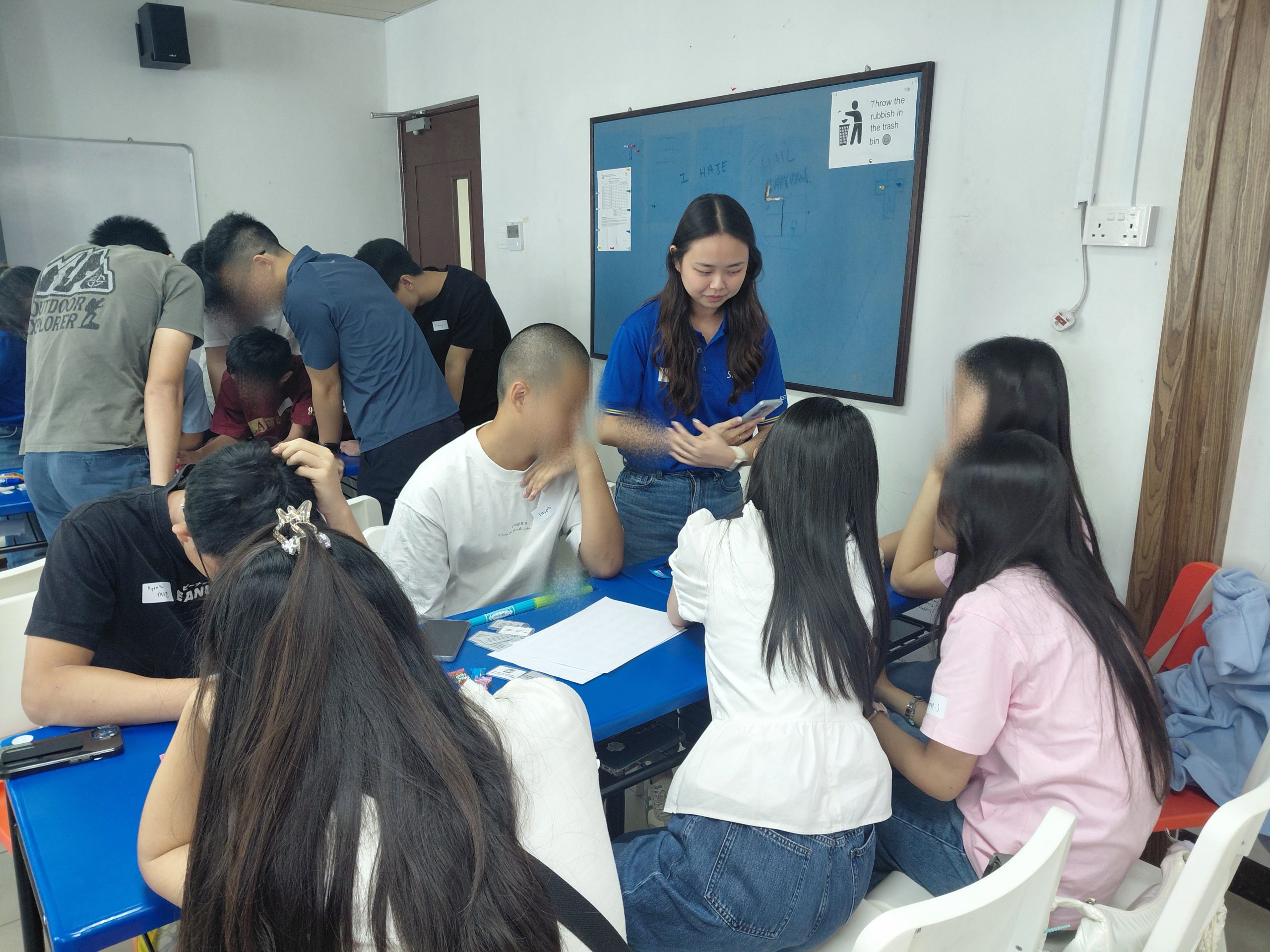
SHINE supports children and youth through life’s challenges so they can grow, thrive and realise their potential. Its Youth Integrated Team (YIT), supporting youths since April 2023, provides community-based mental health support for youths aged 12 to 25, including screening and assessment, case management and psychosocial support.
While the young person remains the primary focus, caregiver support is an important part of the work. SHINE engages caregivers one-to-one to understand the difficulties they face, provides psychoeducation about their child’s mental health needs, and helps them think through how to respond in ways their child finds supportive. When caregivers are struggling themselves or experiencing burnout, they may also be referred to appropriate community and mental health support.
The challenge, says Eunice Lau, Assistant Senior Social Worker at SHINE, is not always a lack of willingness to help. Caregivers can feel “worried, helpless, frustrated, or unsure of what they should do”. In her work, Eunice has observed a shift in how caregivers interpret their child’s behaviour: rather than seeing their child as being difficult or unwilling to communicate, caregivers can begin to recognise the emotions or needs underneath.
With greater understanding, caregivers may also change how they communicate. They may listen first, acknowledge feelings, or give their child some space before addressing an issue. In turn, young people may feel safer opening up.
“When caregivers themselves feel more supported and equipped,” Eunice shared, “they are also in a better position to provide a safe and supportive environment for their child.”
Fellowship of Men: Working upstream with fathers
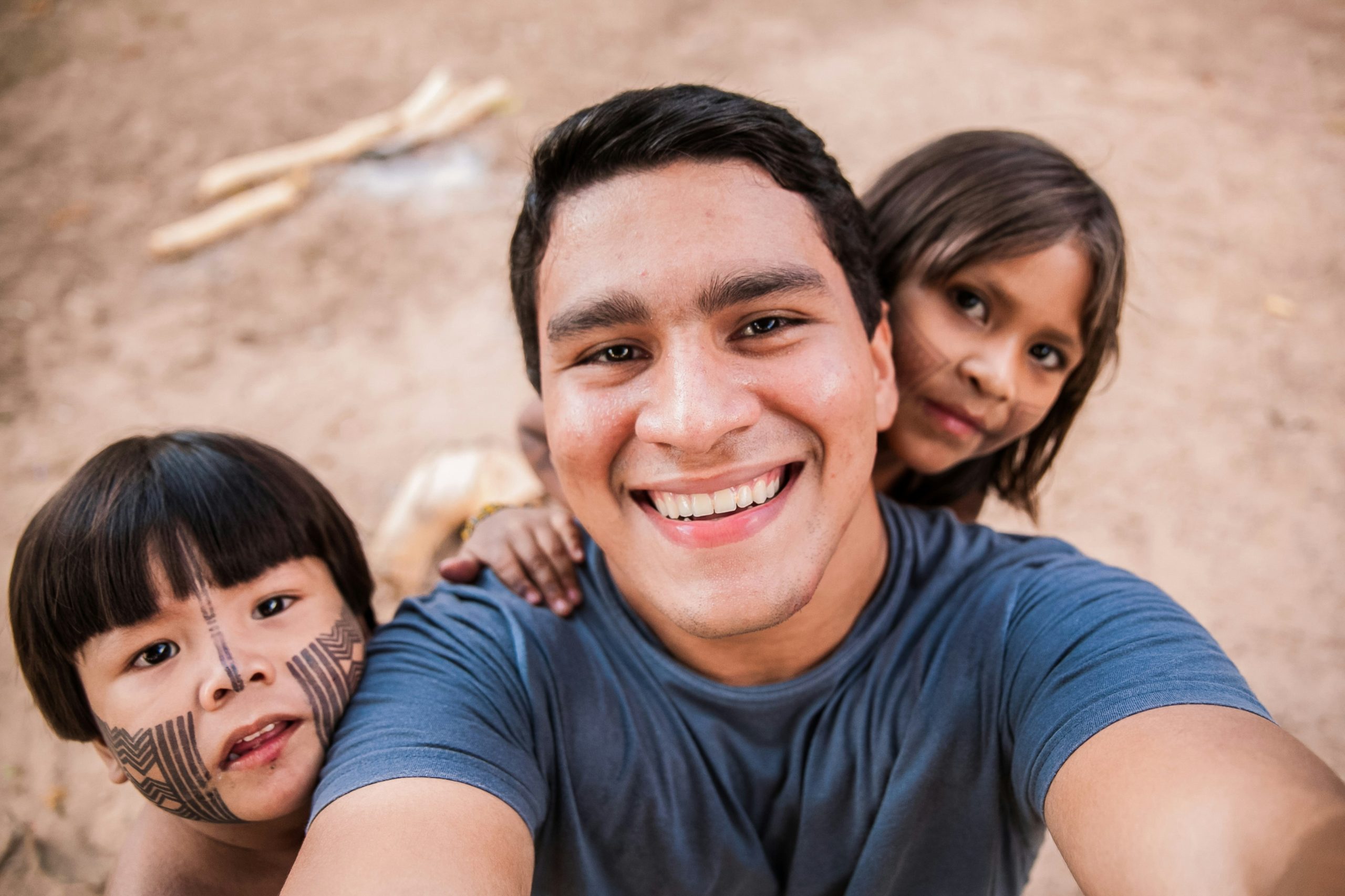
Fellowship of Men works further upstream. Rather than working with children directly, it helps men, including fathers and caregivers, develop emotional resilience, healthier relationships and personal accountability through peer support, mentoring and facilitated group work.
One of its initiatives, Cooking & Conversations, brings men together to discuss emotional regulation, relationship conflict, trust, boundaries, fatherhood and help-seeking in an approachable setting. Where additional support is needed, Fellowship of Men refers participants to professional services.
The rationale is straightforward: “Parents and caregivers do not leave their stress, trauma, or emotional difficulties outside the home.”
Founder Didih Ismail noted that for many men, the barrier is cultural as much as personal. “Many men have also grown up believing that strength means suppressing difficult emotions or handling problems alone. This can make it harder for them to recognise when they are struggling, communicate what they need, or seek support before a situation escalates.”
Fellowship of Men is careful to note that its observations are anecdotal rather than the results of a formal evaluation. Even so, it has seen men become more willing to speak honestly when they are met without immediate condemnation, and more open to professional help.
“Change is not always dramatic or immediate,” Didih said.
“Sometimes it begins with a man learning to pause before reacting, acknowledging the harm caused by his behaviour, having a difficult conversation more calmly, or returning to repair a relationship after conflict. These may appear to be small steps, but they can significantly change how safe and connected a family feels.”
Rainbow Centre: Strengthening the whole family
Rainbow Centre envisions a world where persons with disabilities lead Good Lives, lives that are empowered and thriving. Its work with families rests on a simple premise: parents and caregivers are the key source of continuous support for children with disabilities, at home and in the community. Yet families can feel isolated when the people around them do not yet understand disability.
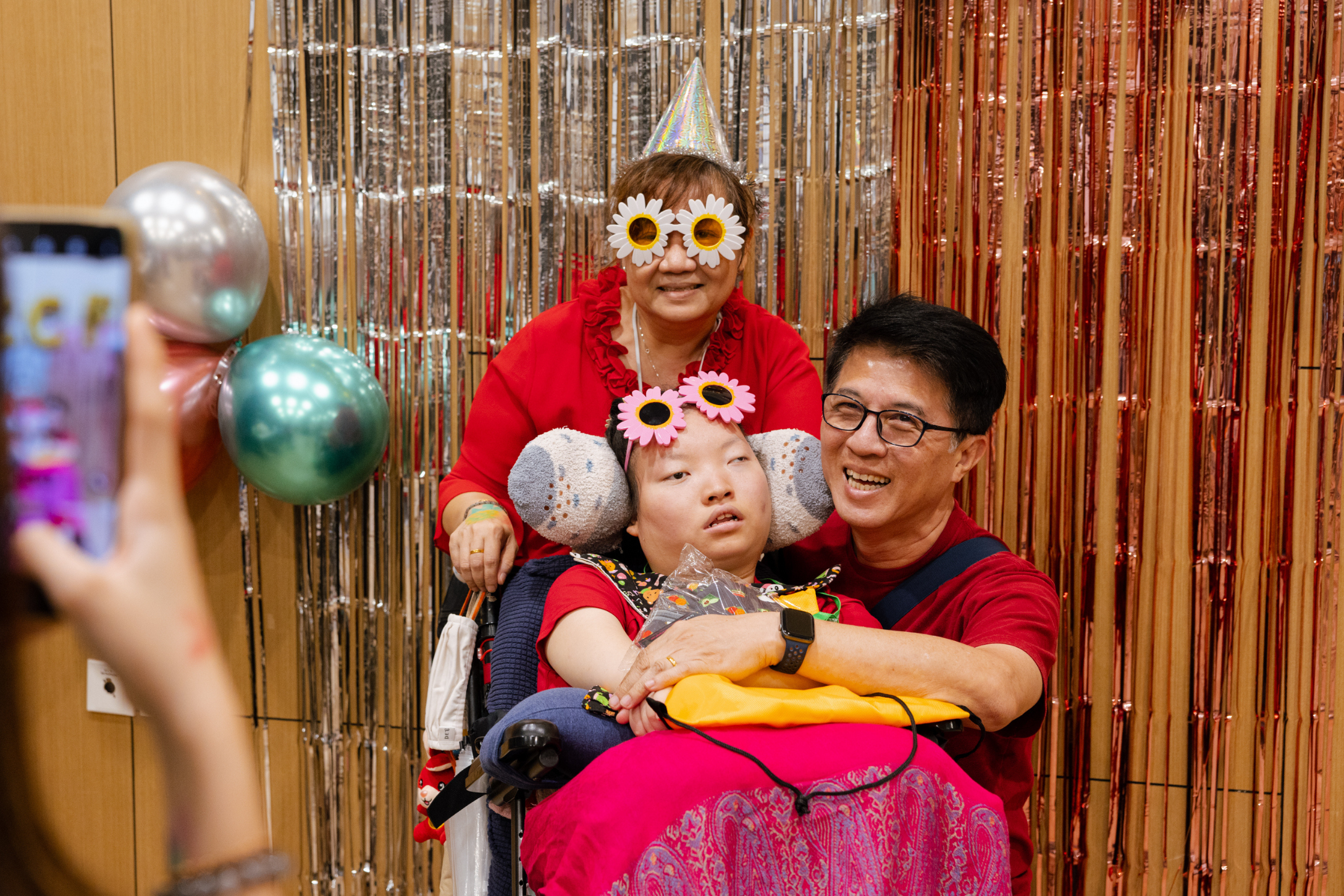
Its Family Life Services (FLS) give caregivers a space to connect through respite activities such as festive celebrations, craft workshops, nature walks and ukulele sessions. FLS also runs talks on future care planning to help families think about, and act on, their child’s future. This year, FLS has reached 103 participants across Early Intervention, Special Education and Post-18 services.
For parents who need more support, the Family Empowerment Programme (FEP) offers individualised coaching for parents whose children with disabilities display challenging behaviours, such as harm to themselves, others or property. Since 2018, it has supported more than 300 caregivers.
Rainbow Centre has seen caregivers grow in confidence, step forward to lead sessions and take on activities alongside staff. “Caregivers are a key source of support for children with disabilities, and their mental wellbeing matters too,” said Faridah Ali Chang, Principal Psychologist at Rainbow Centre. “Through our Family Empowerment Programme and Family Life Services, we coach and empower caregivers to build on their strengths, develop skills for emotional regulation and connect with a community that understands their journey.”

A shared picture of wellbeing
We asked all three organisations what good mental wellbeing looks like for families. SHINE and Fellowship of Men both spoke of families where difficult emotions can be acknowledged and relationships repaired when things go wrong. Rainbow Centre pointed to social connectedness and adaptive ways of coping, noting that wellbeing looks different for every family.
Running through all three is the same idea: caregivers should not have to manage alone, and asking for help is a responsible act, not a sign of failure. This is the Research For Impact report insight in practice. Investing in children may sometimes mean investing first in the adults around them.
What this means for funders
For funders looking at children’s mental wellbeing, the experiences of these three organisations offer a few considerations:
- Look beyond programmes delivered directly to children. Supporting the adults around them can be an important part of strengthening children’s wellbeing and building protective environments.
- Consider caregiver wellbeing as part of the intervention. Caregivers may need support with their own emotional wellbeing, confidence and resilience before they can consistently support the children in their care.
- Give organisations room to work over a longer period of time. Changes in family relationships and caregiver confidence may not be immediate or easily captured through short-term outputs. Longer-term, flexible support can give organisations the space to build trust and respond to families’ changing needs.
These are not necessarily new ideas, but they point to a broader shift in how children’s mental wellbeing can be understood.
As Didih put it: “Children do not need perfect parents; they need adults who can recognise their emotions, take responsibility for their responses, and repair the relationship when things go wrong.”
If you would like to find out more about how you can support wellbeing of both parents and children in Singapore, please reach out to gemma.byrne@asiacf.org.